
Camera Sensor Services
Cover glass removal, sensor cleaning, and custom installation. We provide a wide range of camera sensor services. For a walk through on our sensor glass removal process, download our flier below.
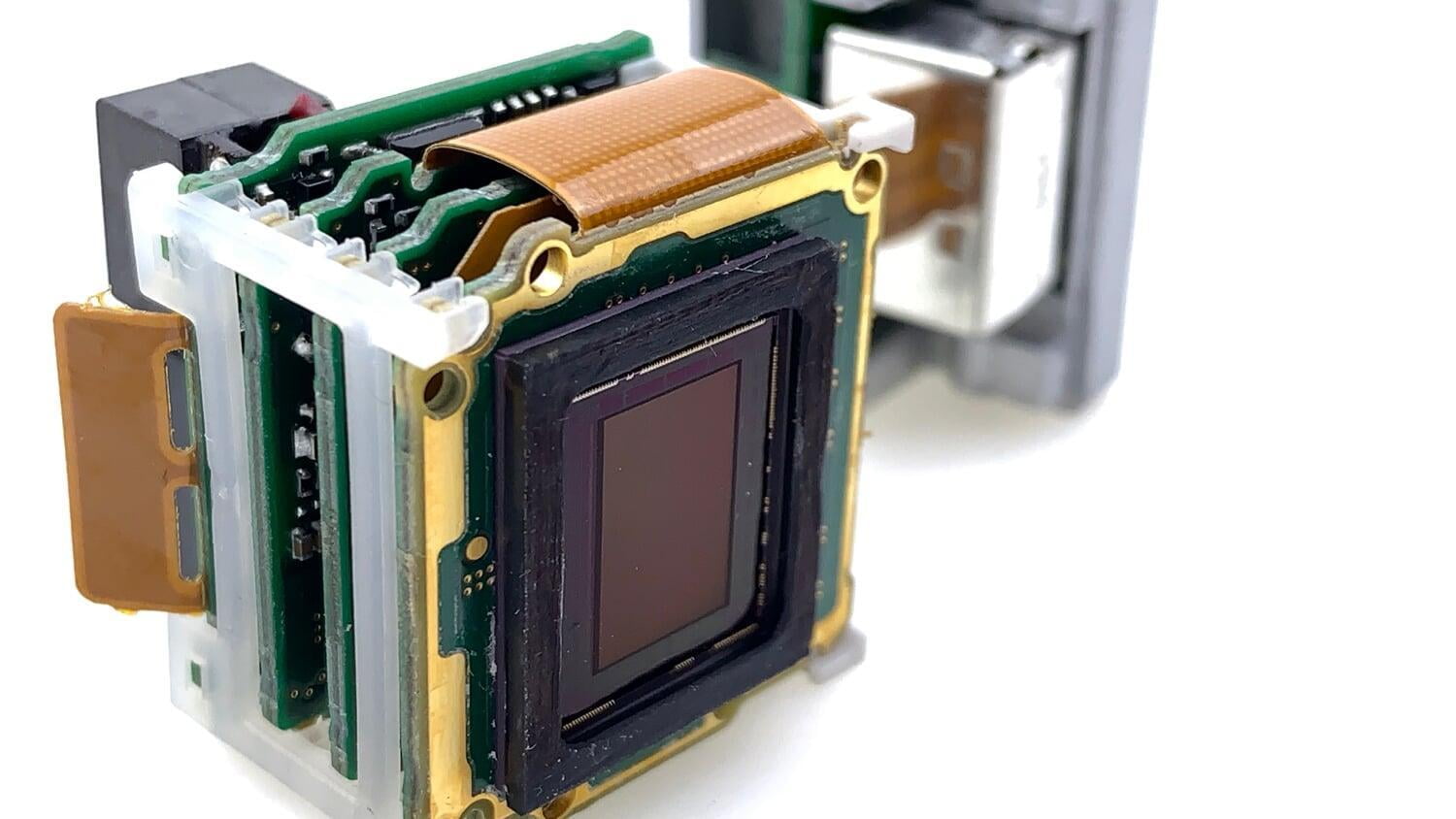
<5%Industry-leading damage rate
vs. competitor avg. of +25%
When Standard Glass Becomes the Obstacle
Camera sensor cover glass is adequate for consumer applications — but in precision imaging, it introduces interference that can compromise your entire system.
-
Eliminate Reflection & Halo Effects
Cover glass causes light to bounce between the sensor and glass surface, creating reflections and blur — especially critical in laser-based and high-precision imaging.
-
Enable Custom Filter Installation
Bandpass filters, IR filters, and customer-specified optical substrates require the original cover glass to be removed first. We align to 1-micron accuracy.
-
Access Raw Silicon Performance
When your application demands direct access to sensor pixels with no optical interference — for spectral analysis, SWIR, or scientific imaging — glass removal is essential.
-
Reduce Light Obstruction
In low-light or UV applications, every photon counts. Removing the cover glass maximizes the light reaching your sensor for superior sensitivity and clarity.
Many vendors attempt sensor glass removal but lack the cleanroom discipline, tooling, and experience to do it safely. Wilco has performed this intensive procedure on a wide range of CCD and CMOS sensors across Sony, Kodak, Aptina, Toshiba, FillFactory, and more — with meticulous pre- and post-QC on every unit.
We protect bond wires, work under magnification, and maintain laminar flow cleanroom conditions throughout. Our track record speaks for itself.
Precision at Every Step
From receipt of your camera to final shipment, each unit passes through a rigorous, documented workflow.
Inbound QC & Inspection
Your camera is logged, photographed, and fully tested on arrival to establish a pre-service baseline before any work begins.
Cleanroom Preparation
All work is performed in a controlled laminar flow hood environment. Tools and surfaces are sterilized to prevent particulate contamination.
Precision Glass Removal
Certified technicians remove the sensor cover glass using fine tools under magnification, protecting fragile bond wires throughout the process.
Outbound QC & Shipping
Post-service quality testing confirms performance meets spec. Optional filter installation available.
Related Sensor & Camera Services
Beyond sensor glass removal, our technicians offer a full suite of precision camera modifications tailored to your application.
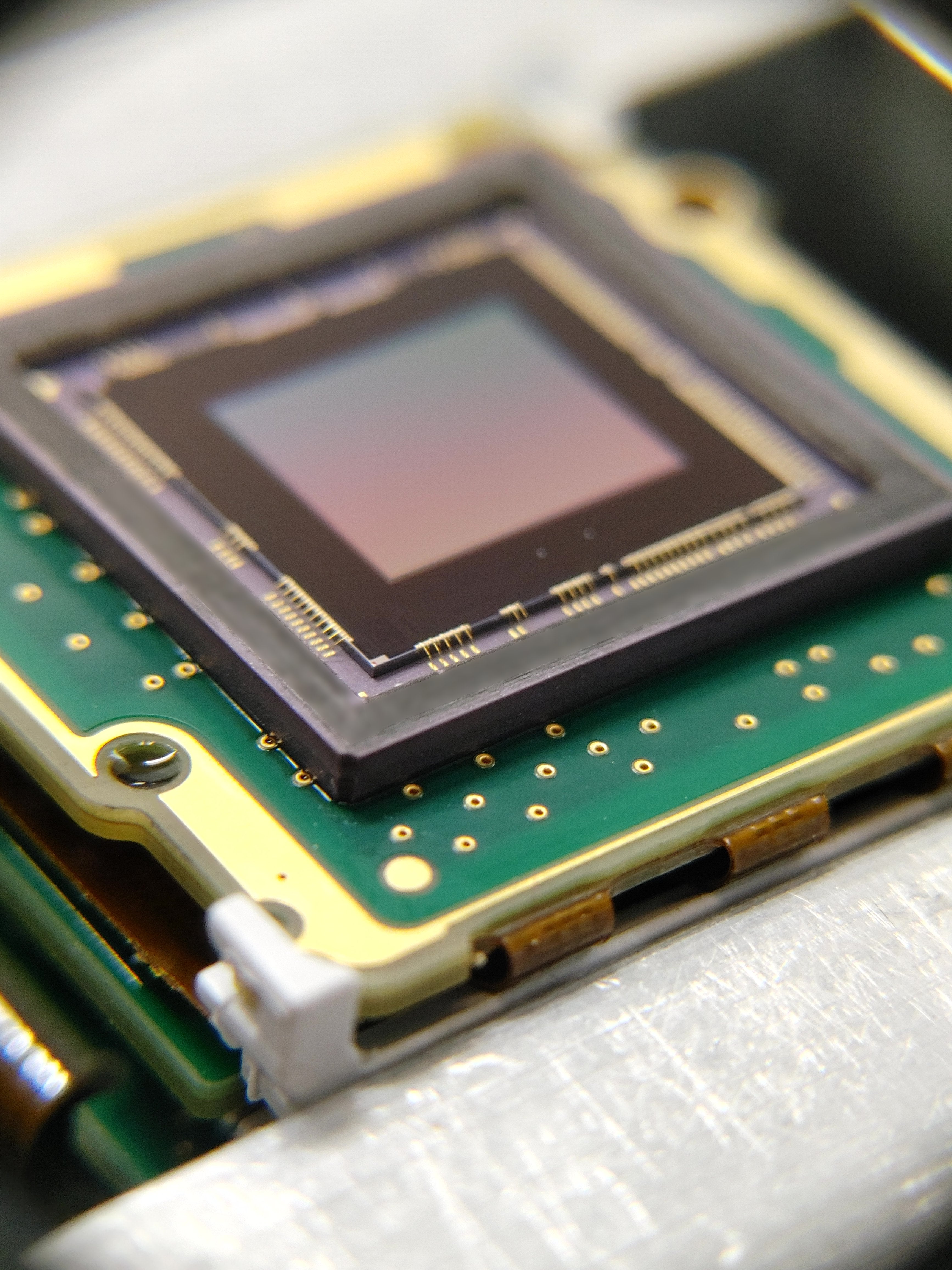
Sensor Glass Removal
Whether you have an existing camera, or need to source a new unit from us to modify, we can handle your cover glass removal needs. We offer the sensor glass removal service and have worked on a wide range of industrial camera brands and a variety of different CCD and CMOS sensors from all manufacturers such as: Sony, FillFactory, Kodak, Toshiba, Aptina, and others. Contact us and we'll help you with your application.
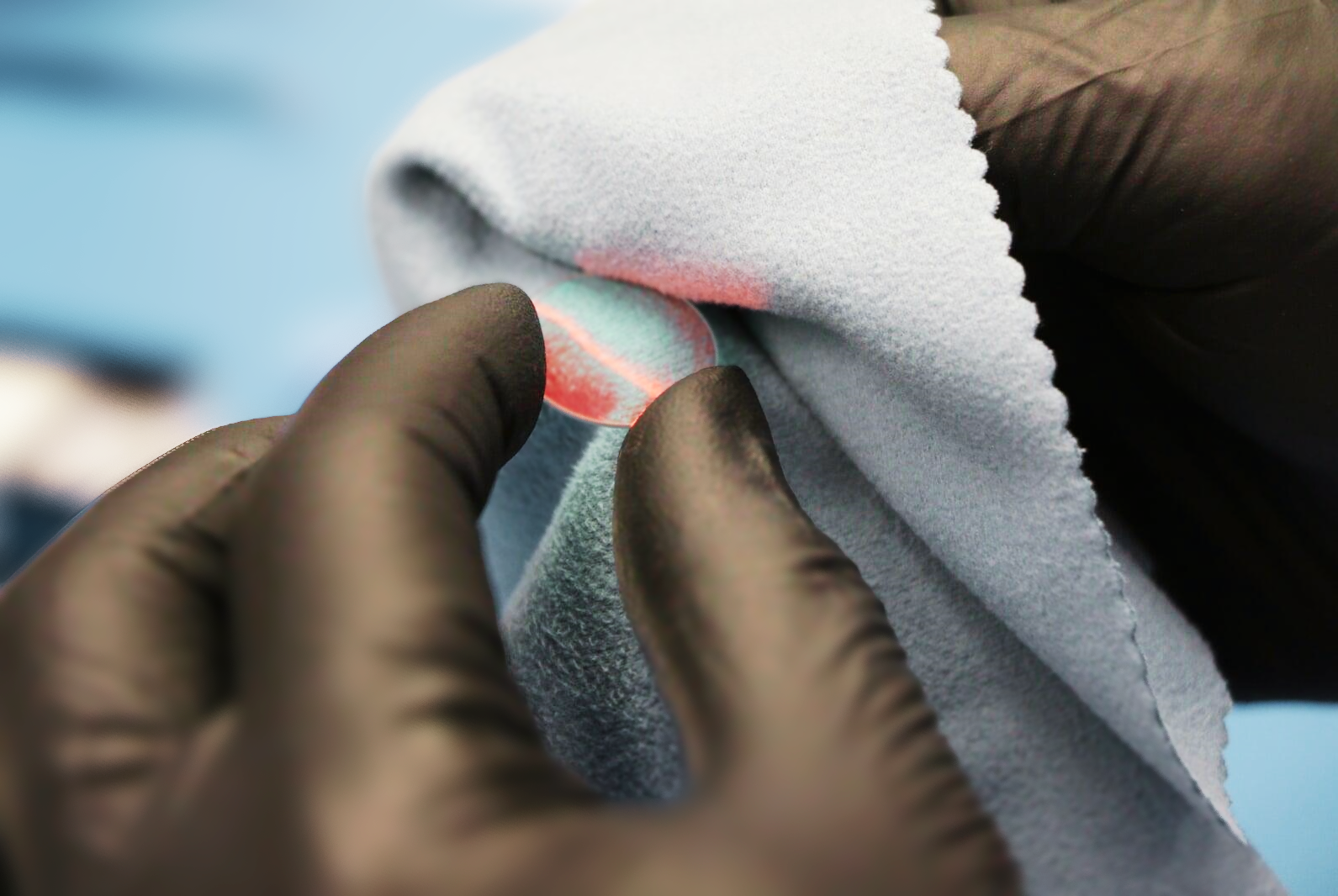
Sensor & Filter Cleaning
Since uncovered sensors can become exposed to debris or particle contaminants, we offer sensor glass cleaning and filter cleaning to get the camera sensor back to like-new conditions. This process takes place in a laminar flow hood for sterility and goes through quality testing before and after completion.
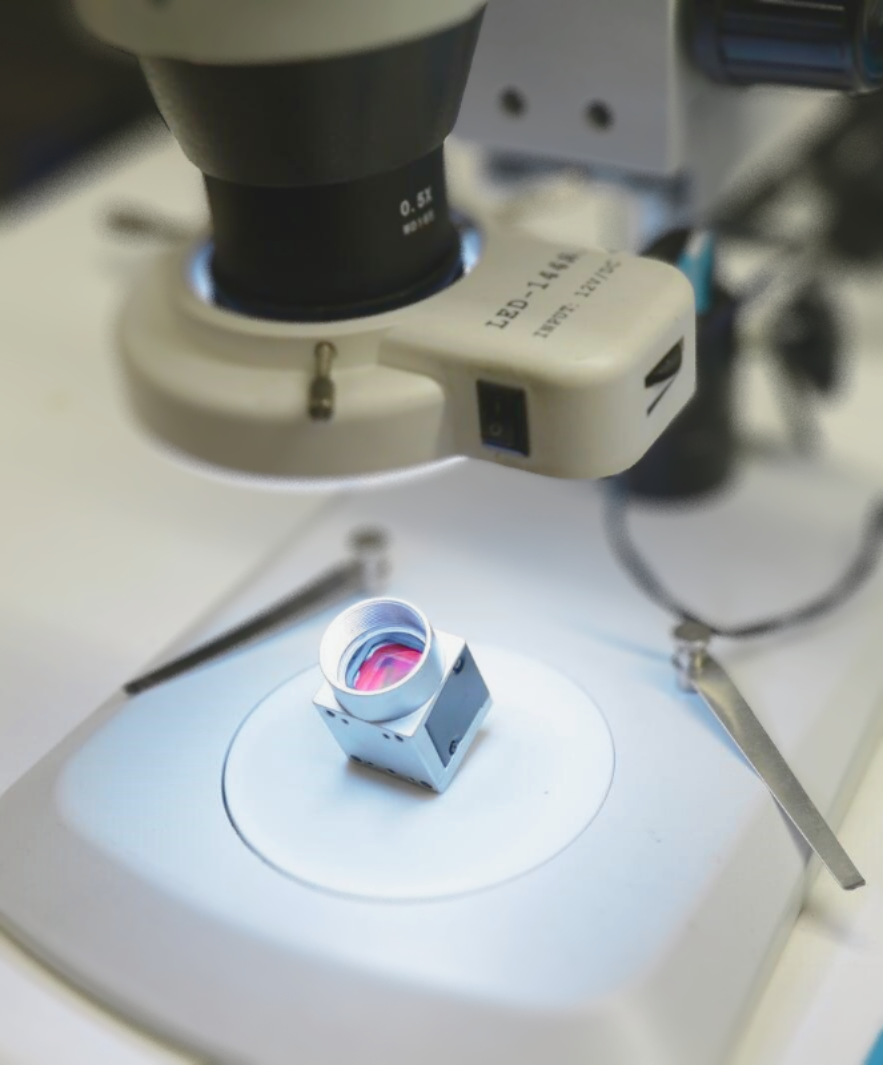
Custom Filter Installation
We have installed and aligned custom filters and masks down to an accuracy of 1 micron. We can install various different windows, glass substrates, and customer specified filters to any camera. This process takes place in a laminar flow hood for sterility and involves quality testing prior to installation and testing again after installation.
Built for the Most Demanding Applications
Wilco serves engineers across high-stakes industries where imaging precision is non-negotiable.
Wide Manufacturer Compatibility
We have performed sensor glass removal on CCD and CMOS sensors from all major manufacturers, including:
Don't see your camera brand listed? Contact us — we work on a wide range of industrial cameras and will assess your unit directly.
What Does Sensor Glass Removal Cost?
Pricing is not one-size-fits-all — it's driven by the complexity of your specific sensor and the volume of units you're submitting. Here's what to expect.
Per unit — final pricing quoted after sensor assessment
Sensor glass removal is a highly skilled, manual process — and the time and difficulty required varies significantly depending on your specific sensor and camera model. Some sensors come apart cleanly in a predictable way; others involve tighter tolerances, more fragile bond wires, or adhesives that require greater care and more time under magnification.
Volume also plays a meaningful role. If you're submitting multiple units for the same modification, we're able to offer better pricing than single-unit runs. We work with engineering teams, integrators, and OEM manufacturers across a wide range of batch sizes — whether you need one camera modified or fifty.
The best way to get an accurate quote is simply to reach out. Describe your camera model, sensor type, and the quantity you're looking to process, and our engineers will respond promptly with a pricing assessment.
Sensor Type & Complexity
Some sensors are straightforward to de-glass; others are more time-intensive due to adhesive bonding, fragile bond wire proximity, or tight mechanical tolerances. More complex sensors command higher pricing to reflect the skill and time required.
Camera Model & Accessibility
The mechanical design of the camera body affects how accessible the sensor is. Cameras that require more disassembly or reassembly steps add to labor time and are priced accordingly.
Volume Discounts
Multi-unit submissions — especially repeat orders for the same camera model — allow our technicians to work more efficiently. Volume pricing is available and negotiated directly with our engineering team.
Add-On Services
Custom filter installation, sensor cleaning, optical alignment, or the optional Camera Protection Plan can be added to any order and will factor into your final quote.
Important Disclaimer — Please Read Before Submitting
Risk of Damage: Sensor glass removal is a high-intensity process, and while our damage rates are low, there is always the possibility of damaging the sensor. In the event of damage, sensors are not replaced or refunded. Should your sensor be damaged during the procedure, you will not be charged for the service.
Exposure After Removal: Sensor glass exists to protect the sensor from damage, contamination, scratches, debris, and other elements. Once this cover is removed, the sensor is exposed to possible environmental hazards. By submitting your camera for sensor glass removal, you acknowledge that such contamination and damage is possible. We do not offer warranty coverage or maintenance coverage for uncovered sensors after they are deployed in the field or in application use.
Important: Please unbox open-sensor cameras in clean rooms only, with extreme care and consideration of outside elements. Contamination introduced after delivery is not covered under any service agreement.
Ready to Start Your Sensor Glass Removal Project?
Tell us about your camera, application requirements, and timeline. Our engineers will assess your unit and respond promptly.
Or email us directly: wilcoimagingsales@loretech.io